Culture · The Second Pillar of 3×3 OS

Culture Systems That Recruit Reps Faster and Keep Them Past the 90-Day Wall.

Most service businesses hit a recruiting paradox: the faster they hire, the faster they lose people. The fix isn't more recruiters or better comp, it's a culture operating system that runs whether or not the founder is in the room.

50%
of service-business sales reps quit within their first 90 days on average
200K+
distributors operating under Paradigm-built culture frameworks
150%
of annual comp, typical fully-loaded cost to replace one churned rep
The Problem

Two walls every scaling service business hits in the same year.

Below 25 reps, the founder is the culture. Hiring is gut-feel. Onboarding happens by osmosis. Recognition is whoever the founder texts that week. It works, for a while.

Then two walls hit, usually within months of each other.

Wall 01 · Recruiting

You Can't Hire Fast Enough

Pipeline goals require 10 new reps a quarter, but founder-led recruiting only produces 2-3. You hire a recruiter. They produce volume but the wrong fit. Onboarding can't absorb the cohort. The first hires quit before the next ones land.

Wall 02 · Retention

You Can't Keep Them Past 90 Days

Half of new reps quit before their first commission check clears. Exit interviews say "unclear role," "no recognition," "no path." The founder hears all of this and feels the urge to fly out and fix it personally, which works for a week and resets nothing.

Wall 03 · Founder

You've Become the Bottleneck

Every decision routes through you. Every hire requires your involvement. Every rep crisis pulls you off strategic work. The business is growing but the founder is shrinking. The instinct, work harder, is exactly the wrong move.

The Framework

The Culture Operating System: 9 components that make culture run without you.

The Culture OS is the second pillar of Paradigm's 3×3 OS. It maps culture across three dimensions (Mission, Mechanics, Memory) and three lifecycle stages (Hiring, Operating, Leaving). Build all nine and the culture stays after every original employee has left. Skip any and it collapses the first time the founder takes two weeks off.

Mission
Mechanics
Memory
Hiring

Vision Narrative

The story candidates hear in the first 10 minutes. Codified, repeatable, told the same way by every interviewer.

Cohort Recruiting

Hire in cohorts of 3-5, not one at a time. Onboarding has gravity. Solo hires drift.

Onboarding Playbook

14-day structured launch before the rep touches a customer. Same content, same sequence, every cohort.

Operating

Sprint Cadence

Quarterly themes broken into 2-week sprints. Everyone knows the current sprint. Nobody is confused about priorities.

Meeting Rhythm

Daily pod stand-ups, weekly all-team, monthly retros. Calendar runs the business, not the inbox.

Recognition System

Recognition fires automatically on a fixed cadence, not when the founder remembers. Surfaces the right behaviors.

Leaving

Exit Narrative

What you say about people who leave shapes what current reps believe about the company. Codified, consistent.

Offboarding Protocol

Knowledge transfer, account handoff, access revocation, exit interview. Same checklist every time.

Alumni & Referral Loop

Former reps refer 3-5× more candidates than cold sources. The exit isn't an ending, it's the beginning of the referral loop.

Common Questions

What service-business operators actually ask about culture.

How do you recruit 10 sales reps in 90 days without losing the first 5?

Most service businesses hit a recruiting paradox: the faster they hire, the faster they lose people. The fix is sequencing, not speed. Paradigm's framework: hire in cohorts of 3-5, not one-by-one; install a 14-day structured onboarding before they touch a customer; assign each rep to an operating pod (not a manager solo); and run a 30/60/90 checkpoint that surfaces churn risk before it becomes a resignation. Operations that install this approach have reported meaningful improvements in 90-day retention. Results vary by industry, comp model, and how rigorously the operating rhythm is maintained.

Why does sales rep retention drop after 30 reps?

Below 30 reps, the founder is the culture, direct relationships absorb the gaps in onboarding, recognition, and decision-making. Above 30, those direct relationships break. Reps you don't know personally feel like contractors, not crew. Recognition stops landing. Decisions slow down. The fix is architectural: codify the culture into systems (sprint rhythm, recognition cadence, decision rights, meeting structure) so it runs whether or not the founder is in the room.

What is a culture operating system?

A culture operating system is the structural infrastructure that makes culture run without depending on the founder being everywhere. It's not values posters or all-hands speeches, it's the meeting rhythm, recognition cadence, sprint structure, decision rights, onboarding playbook, and retrospective discipline that operate weekly. Paradigm installs culture as a system because every other approach to culture collapses past 30 reps.

What is "Tattoo Culture" and how does it work?

Tattoo Culture is Paradigm's term for culture that's permanent, embedded so deep into how the business operates that you'd have to remove it surgically. It's the opposite of vibes-based culture (which evaporates the moment the founder is offsite). The components: rituals that fire on a fixed cadence, language that's used consistently top-to-bottom, decision frameworks that don't require manager judgment, and recognition systems that surface the right behaviors automatically. Built right, the culture stays even after every original employee has left.

How do you build culture in a distributed or remote sales force?

The same way you build culture in person: cadence, language, and recognition, just engineered for distributed conditions. The mistake most service businesses make is treating remote culture as in-person culture moved to Zoom. It isn't. Paradigm's remote culture stack: daily 15-minute pod stand-ups (not weekly all-hands), weekly recognition firing inside the rep's existing comms tool, structured async retros that surface friction without requiring meetings, and a quarterly in-person 'reset' event that re-anchors the language.

How is culture different from compensation?

Compensation is what gets reps to take the job. Culture is what makes them stay. In service-business categories with high rep churn (solar, insurance, caregivers, MLM), comp competitiveness explains only ~40% of retention variance. The other 60% is culture, specifically, how clearly the role is defined, how quickly reps see results, and whether they feel known by leadership. You can pay top-of-market and still lose reps in 90 days. The culture operating system is what closes that gap.

When does a service business need to install a culture system?

The trigger isn't headcount, it's the moment the founder stops being able to know every rep by name and history. For most service businesses that's somewhere between 25 and 50 reps, or when the business operates in more than one location. The other trigger: rep turnover above 50% annually. If you're losing half your front-line every year, no recruiting effort will outrun the leak.

Can culture be measured?

Yes, but not with annual engagement surveys, which arrive too late and measure feelings rather than systems. Paradigm tracks four operational signals weekly: (1) cohort retention (% of reps still here at 30/60/90/180 days), (2) decision velocity (time from question raised to decision shipped), (3) recognition density (% of reps recognized in writing per week), and (4) ritual adherence (% of scheduled cadences that actually happen on time). When those four numbers move, culture is moving.

By Industry

Where the retention wall hits hardest, and what each industry actually needs to install.

The Culture OS is industry-agnostic, but each industry has a primary failure mode. The order Paradigm sequences installations differs by vertical.

Insurance & Financial Services

Long licensing ramp + commission-only comp creates a brutal 6-month survival rate problem. Most new producers don't write a policy until month 3 and quit by month 5. Culture system must include income-bridge mechanics during ramp.

  • Primary risk: producer drop-off during pre-license / pre-commission window
  • Lever: cohort cadence + structured prospecting drills + visible early wins

Read the insurance deep-dive →

Solar & Home Services

Door-to-door rep churn averages 60% in the first 90 days. The diagnosable cause is almost always onboarding velocity (too slow on ride-alongs) and recognition absence (reps don't feel seen until they close).

  • Primary risk: 90-day churn from solo prospecting in the field
  • Lever: pod structure with daily ride-along rotation + early-week recognition cadence

Read the solar deep-dive →

Plumbing, HVAC & Trades

The retention problem is skilled tech retention, not entry-level. Master techs leave because on-call rotations are inequitable, recognition is rare, and there's no visible path from tech to lead to manager. Culture system must address career architecture.

  • Primary risk: losing senior techs to competitors after 2-3 years
  • Lever: visible progression ladder + equitable rotation + lead-tech recognition cadence

Read the HVAC and trades deep-dive →

Home Care & Caregivers

Industry-baseline caregiver churn is 80%+ annually. The myth is that it's about pay. The data says it's about scheduling stability, relationship to a specific client, and recognition for emotionally hard work. Culture system here is operational sanity.

  • Primary risk: caregiver burnout + schedule chaos
  • Lever: stable client assignments + structured recognition + scheduling discipline

Network Marketing & Direct Sales

Distributor retention is the only metric that compounds. Most MLM/direct sales operations treat onboarding as "watch this video and read the comp plan", which is why 80% of distributors are inactive within 12 months. Paradigm has structured frameworks for 200,000+ distributors.

  • Primary risk: 12-month distributor inactivity
  • Lever: structured 30/60/90 onboarding cohorts + upline recognition mechanics + sprint rhythm

Read the direct sales deep-dive →

Blue-Collar & Specialty Trades

Roofers, painters, landscapers, electricians. The retention pattern is identical to plumbing/HVAC, senior trade labor walks when career architecture is invisible. Culture system here is mostly about making the path explicit and the recognition reliable.

  • Primary risk: senior trade walking after a single bad pay cycle or missed recognition moment
  • Lever: progression ladder + monthly recognition cadence + structured retrospective

IT Services & MSPs

Engineer retention is governed by burnout, not comp. On-call rotation design is the single biggest lever. Culture system needs to include incident load distribution and recovery cadence, not just standard rep culture mechanics.

  • Primary risk: on-call burnout and engineer attrition after major incidents
  • Lever: on-call rotation design + post-incident recovery time + recognition for incident response
How Paradigm Builds It

Audit. Architect. Install.

Three phases over 90 days. Not a values workshop. Not a culture deck. A working culture operating system that runs inside your business after we leave.

01

Audit

We map your current culture against the 9-component matrix. Cohort retention data, decision velocity, recognition density, ritual adherence. Gaps surfaced and ranked by their impact on retention.

02

Architect

We design the systems: sprint structure, meeting rhythm, recognition cadence, onboarding playbook, decision rights matrix, retrospective protocol. Built around your operating model, not a generic template.

03

Install

We embed the systems into your tooling and train your operators. When we leave, culture runs without us, and without founder dependency. The four weekly signals tell you it's working.

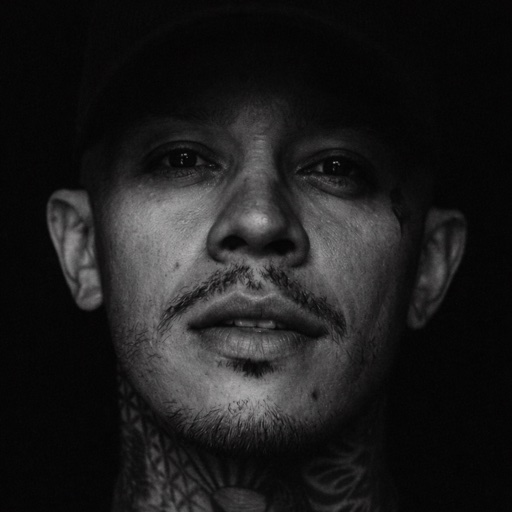
Matt Rosa, Founder and Culture Catalyst at Paradigm Consulting

Matt Rosa

Founder & Culture Catalyst

Matt leads Paradigm's culture engagements. The architect behind "Tattoo Culture", culture that's permanent, embedded, and operates without founder presence. Built culture systems for 200,000+ distributors and service-business teams across solar, insurance, MLM, and trades.

Read full bio →

3-minute diagnostic

Know whether your culture scales, or breaks at 30 reps.

The Culture Maturity Audit scores your business across Clarity, Accountability, Incentive Alignment, and Leadership Stability, and returns a tier-specific implementation plan.

Take the Culture Audit